
Massive Coral Restoration Project Plants 50,000 Fragments Along Miami's Threatened Reefs
Multi-year initiative aims to restore Miami's Caribbean reefs before warming waters cause irreversible damage.
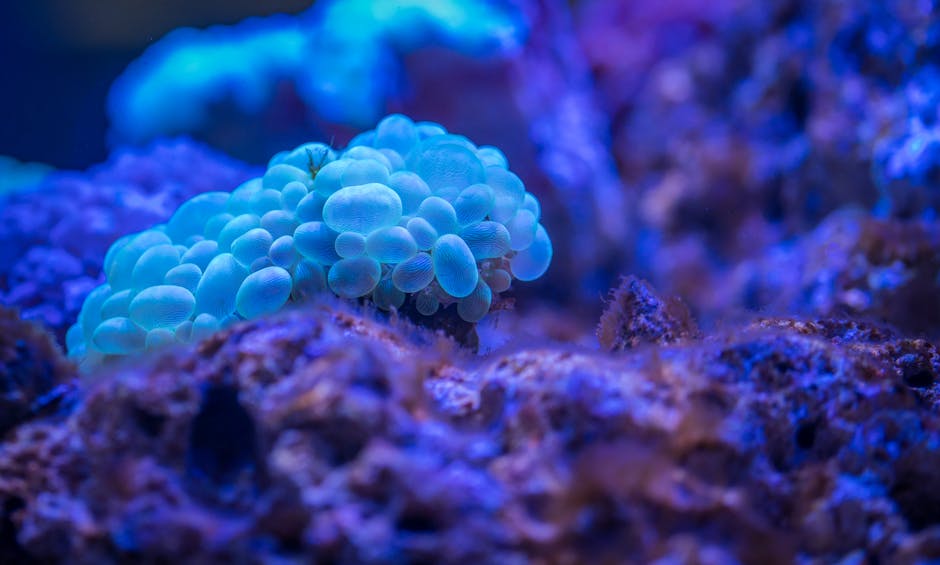
Scientists and volunteers planted 50,000 genetically diverse coral fragments along Miami-Dade County’s reef systems this week, marking a milestone in an ambitious multi-year effort to restore the Caribbean’s most threatened coral ecosystems before rising ocean temperatures render them uninhabitable.
The Reef Resilience Initiative, a partnership between the University of Miami, the National Oceanic and Atmospheric Administration, and Miami-Dade County, has cultivated over 200,000 coral fragments in offshore nurseries since launching in 2022. The fragments—which are pieces of healthy coral broken and regrown in controlled conditions—are being replanted across 15 reef sites stretching from South Pointe to Biscayne Bay.
“We’re racing against time,” said Dr. Elena Rodriguez, a marine biologist at UM’s Rosenstiel School of Marine, Atmospheric, and Planetary Sciences. “Florida’s reefs are experiencing back-to-back bleaching events. Without intervention, we could see 90 percent reef loss within a decade.”
Coral bleaching occurs when rising water temperatures cause corals to expel the symbiotic algae that gives them color and nutrition. Last summer, the Atlantic experienced the worst coral bleaching event on record, affecting reefs from Florida to the Caribbean to the Great Barrier Reef.
The fragments being planted include five species of stony corals critical to reef ecosystem health: elkhorn coral, staghorn coral, boulder brain coral, mountainous star coral, and maze coral. Scientists have focused on breeding hardy specimens that show signs of heat resistance.
The replanting effort has generated a surprising economic windfall. Local dive shops report increased tourism as visitors want to see restoration efforts firsthand. Meanwhile, local commercial fishermen have noticed increased fish populations near restored reef areas—preliminary data suggests fish biomass increases by 40 percent within two years of restoration.
“Our grandfather fished these reefs. We all grew up diving here,” said commercial fisherman Miguel Fernandez, who volunteers with the restoration program. “Seeing the reefs come back to life means everything to South Florida.”
The initiative has also created employment opportunities. The University of Miami has hired 35 full-time technicians to maintain coral nurseries, conduct field surveys, and manage the replanting operations. Wages for these positions average $48,000 annually, providing entry-level positions for South Florida residents interested in marine science careers.
The Reef Resilience Initiative is funded through a combination of state grants ($4.2 million), federal matching funds ($3.8 million), and private donations from environmental organizations and foundation grants ($2.1 million).
Officials estimate they will need to plant 500,000 additional fragments over the next five years to meaningfully slow reef decline. At current funding levels, that goal is achievable but only if the initiative secures additional philanthropic support.
“Every fragment we plant is an investment in South Florida’s future,” Dr. Rodriguez said. “These reefs protect our coastline from storms, support our fishing industry, and attract tourism dollars. Restoration isn’t optional—it’s essential infrastructure.”