
Florida Senate Blocks Repeal of 21 Firearm Age Restriction
Florida's Senate again refused to hear a House bill repealing the post-Parkland law raising the minimum firearm purchase age to 21, continuing a years-long pattern.
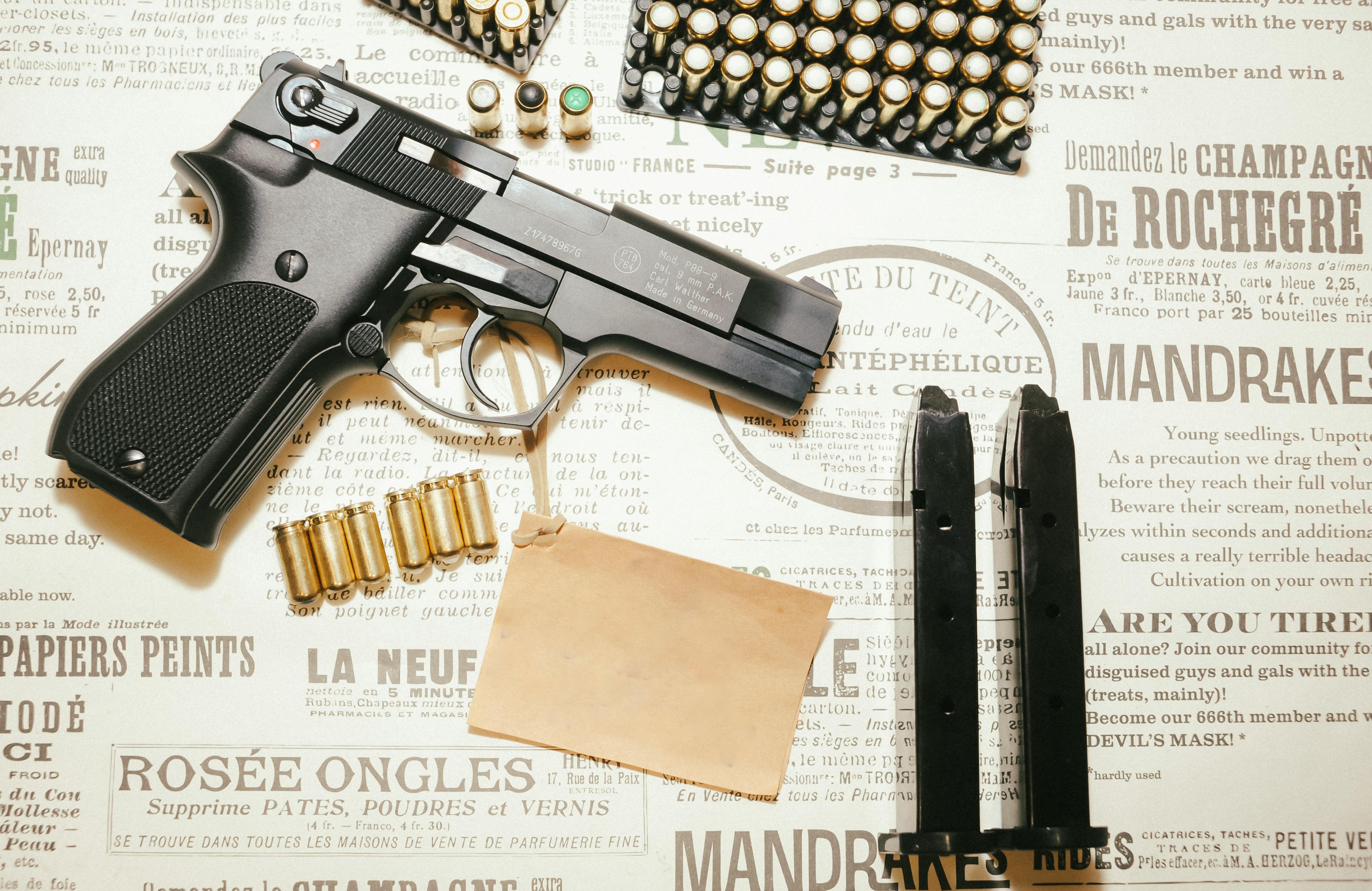
Florida’s minimum firearm purchase age will stay at 21 after the Senate once again refused to take up a House bill that would have rolled back one of the most significant gun restrictions passed in the aftermath of the 2018 Parkland massacre.
House Bill 133 cleared the full House 74-37 following a charged, partisan floor debate in January, but it never received a hearing in the Senate this session. Senate President Ben Albritton’s office confirmed what has become an annual pattern: the upper chamber simply has no appetite for the measure.
“There is not support in the Senate for this legislation,” said Albritton’s spokeswoman, echoing the Senate President’s previously stated position.
The bill’s failure marks at least the third consecutive year the Senate has let the House-passed measure die without consideration. The House has approved the repeal in every session going back to 2023. The Senate has blocked it every time.
The law the House sought to repeal traces directly to one of the deadliest school shootings in American history. On February 14, 2018, a 19-year-old gunman walked into Marjory Stoneman Douglas High School in Parkland and killed 17 people, including 14 students and three staff members, using an AR-15 rifle he purchased legally under federal law. The Florida Legislature responded within weeks with the Marjory Stoneman Douglas High School Public Safety Act, a rare piece of bipartisan legislation that then-Governor Rick Scott signed into law. Among its provisions: raising the statewide minimum age to purchase any firearm from 18 to 21.
The National Rifle Association challenged the law in court and lost.
Since then, the Legislature’s political composition has shifted sharply rightward, and many of the Republicans who voted for the 2018 law have since termed out. That shift opened space for repeal efforts from conservative members who argue the restriction infringes on the rights of legal adults.
Rep. Tyler Sirois, a Merritt Island Republican and the bill’s sponsor, acknowledged the Legislature acted as it thought best in the wake of the shooting, but said the underlying policy was wrong.
“My view is this is the correct public policy to pursue to restore the rights of law-abiding 18-year-olds,” Sirois said during committee debate.
Gun rights advocates pointed to Florida’s recent shift to an open carry state as added justification for lowering the purchase age. Luis Valdes, Florida State Director for Gun Owners of America, argued the issue was straightforward.
“Adults at 18 years old have the right to keep and bear arms,” Valdes said during committee testimony.
House staff analysis of HB 133 noted that most other states set 18 as the minimum age to purchase a long gun from a federally licensed dealer, placing Florida outside the national norm on that metric.
But the push to repeal ran directly into lawmakers who were present in Parkland when the shooting happened. Rep. Christine Hunschofsky, who served as Parkland’s mayor at the time, described the prospect of rolling back the age restriction as “devastating” and “heartbreaking.” Her presence in the chamber, and the presence of others with direct ties to the tragedy, made floor debate emotionally raw.
Albritton had telegraphed his reluctance ahead of the current session, telling reporters last year that legislators must exercise “real caution” before lowering the gun-buying age. His more ambiguous comments at the start of the session, suggesting it was up to committee chairs and the broader Senate, left some room for speculation. But his office’s final word this session left little doubt.
The dynamic points to a persistent divide within Florida’s Republican Party on this particular issue. House conservatives keep pushing the repeal. Senate leadership keeps applying the brakes. Survivors, victim families, and former local officials who remember February 14, 2018 keep showing up to make sure lawmakers understand what is at stake.
The 21-year minimum stands. Whether the House brings the bill back again next session is, at this point, a near certainty.