
'No Kings' Protests March to Mar-a-Lago in Florida
Thousands expected at Florida 'No Kings' protests, with a twilight march toward Trump's Mar-a-Lago as part of a nationwide day of action.
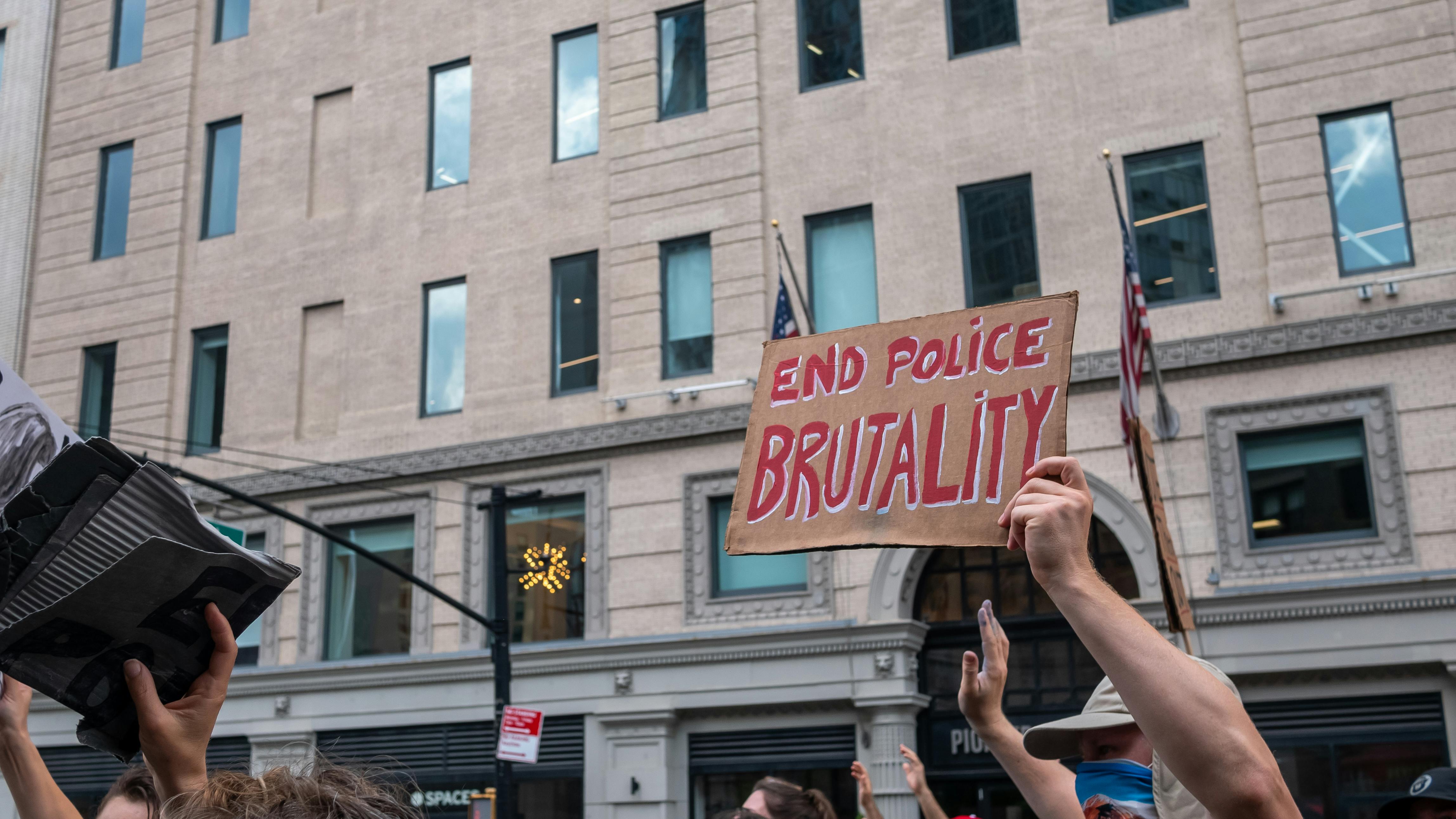
Thousands of demonstrators are expected to flood Florida streets Saturday as part of the third major nationwide “No Kings” mobilization, with South Florida serving as a focal point for the coordinated day of action targeting President Donald Trump’s policies.
The protests, organized by a coalition of progressive groups including Indivisible and allied organizations, will stretch from major metro areas to smaller roadside demonstrations in suburban and rural communities across the state. Organizers are leaning into a decentralized model, spreading events across dozens of locations rather than concentrating crowds in a single city.
South Florida will host the day’s most symbolically charged demonstrations, with multiple events across Miami-Dade, Broward and Palm Beach counties. The evening’s centerpiece is a 6 p.m. twilight march beginning along South Flagler Drive and President Donald J. Trump Boulevard, where participants plan to walk roughly half a mile toward Trump’s Mar-a-Lago residence in Palm Beach.
Before that evening convergence, Palm Beach County organizers have lined up earlier rallies to allow participants to attend multiple events throughout the day. A 10 a.m. demonstration is scheduled at the intersection of PGA Boulevard and Campus Drive in Palm Beach Gardens at 3188 PGA Blvd. An 11 a.m. protest is set near Target at 1760 Palm Beach Lakes Blvd. in West Palm Beach.
The movement traces its origins to Trump’s 79th birthday in 2025, when organizers staged what they framed as a single day of defiance. It has since grown into a sustained national campaign. Saturday marks the third major national mobilization under the “No Kings” banner, a name organizers use to signal their concerns about what they describe as executive overreach by the Trump administration.
“What began in 2025 as a single day of defiance has become a sustained national resistance to tyranny, spreading from small towns to city centers and across every community determined to defend democracy. Our peaceful movement is bigger than ever,” organizers wrote in materials promoting Saturday’s events.
Activists are pointing to several pressure points shaping this weekend’s demonstrations. Federal immigration enforcement has been a consistent rallying point across Florida, a state where immigrant communities have felt the weight of administration policy more acutely than almost anywhere else in the country. The ongoing conflict in Iran and rising economic pressures are also being cited as motivating factors by those organizing the events.
Organizers have repeatedly stressed that all events are intended to remain peaceful. Guidance circulated ahead of Saturday explicitly encourages participants to de-escalate conflicts and comply with local laws. The group notes that previous marches in the direction of Mar-a-Lago have taken place without incident.
The decentralized structure of the “No Kings” movement is a deliberate strategic choice. Rather than routing tens of thousands of protesters to a single location, organizers have pushed local groups to stage demonstrations in their own communities, including in suburban and rural areas where visible political protest is less common. That approach has expanded the movement’s geographic footprint while reducing logistical pressure on any single event.
In South Florida, the geographic and political symbolism of a march toward Mar-a-Lago gives Saturday’s demonstrations a sharpness that distinguishes them from standard rally-and-march formats. The President’s private club sits at the center of a unique political ecosystem in Palm Beach County, one where federal security infrastructure, wealthy Republican donors and a dense population of working-class immigrant communities all coexist within a few miles of each other.
Organizers describe Saturday’s evening march as the culmination of the day’s events, designed to allow protesters who attended morning and midday rallies to converge on the same endpoint before nightfall.
For South Floridians who want to find specific events near them, organizers say full event listings are available through the “No Kings” coalition’s online calendar pages.
Saturday’s mobilization will test whether the movement can sustain the momentum it has built since 2025, and whether the coalitions holding it together can keep drawing crowds after more than a year of sustained organizing.