
SAVE Act Standoff: Florida Delegation Caught in Senate Gridlock
Trump threatens to block all legislation until the SAVE Act passes. Florida Republicans rally behind the voter eligibility bill amid mounting Senate gridlock.
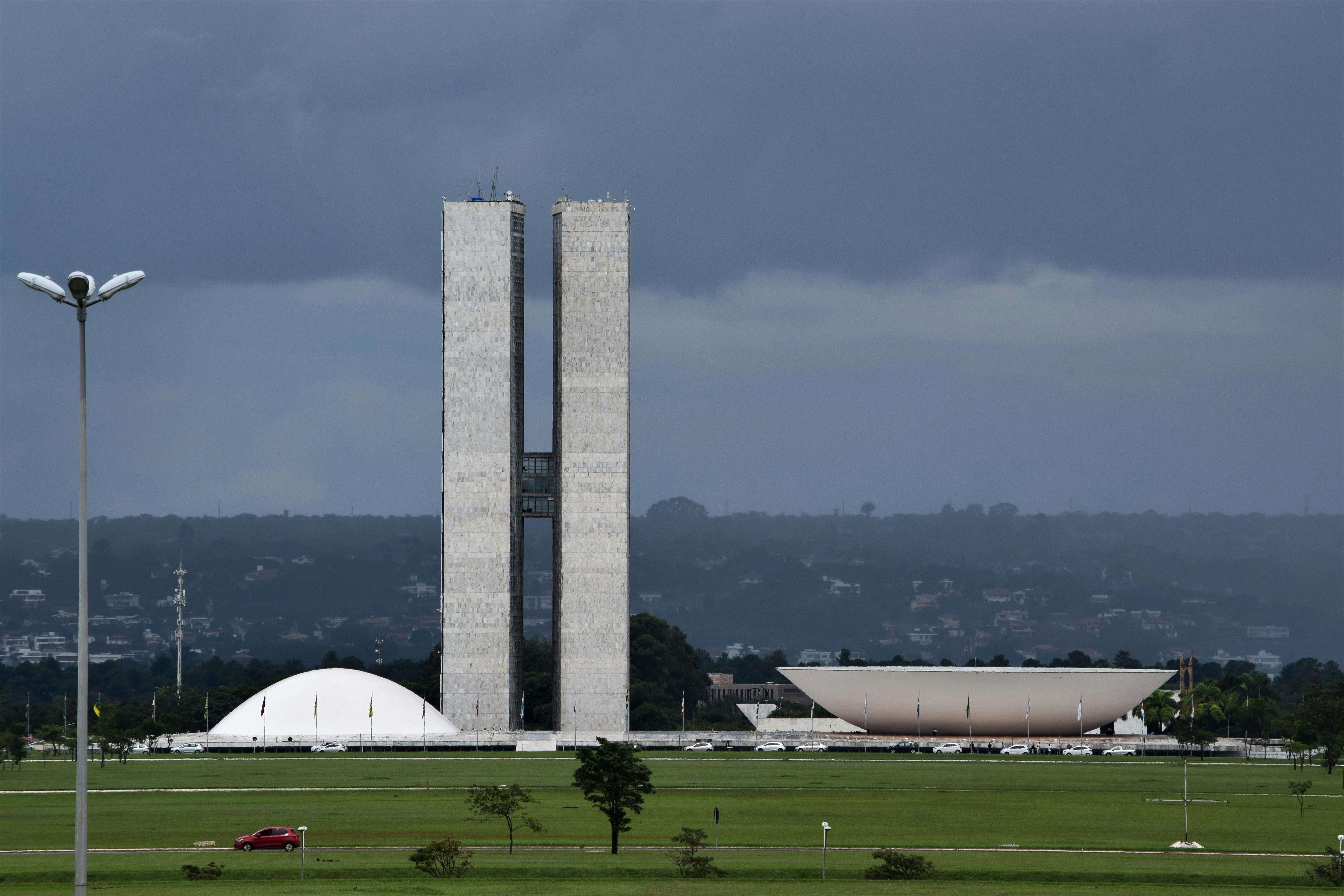
Florida’s congressional delegation finds itself caught between a presidential ultimatum and Senate gridlock, with two major political fights colliding at once and everyday issues like daylight saving time adding to the pile.
President Donald Trump escalated pressure on Congress this week, announcing he will refuse to sign any legislation until the Safeguard American Voter Eligibility Act passes the Senate. The bill, known as the SAVE Act, would require proof of citizenship and photo identification to register to vote, eliminate mail-in ballots except for military personnel, those who are ill, disabled, or traveling, and bar transgender athletes from competing in women’s sports.
“I, as President, will not sign other Bills until this is passed, AND NOT THE WATERED DOWN VERSION,” Trump posted on Truth Social, laying out his demands in all-caps.
Several Florida House Republicans quickly fell in line. Rep. Randy Fine, who represents Florida’s Atlantic Coast, declared he would refuse to vote for any Senate bill until the SAVE Act clears the upper chamber. Fine is not alone. Multiple members of the delegation are adopting similar stances, a potentially significant complication given how razor-thin margins in the House have already slowed legislative movement this Congress.
Rep. Anna Paulina Luna, the Pinellas County Republican, proposed a more aggressive tactic. She wants to attach the SAVE Act to the reauthorization of the Foreign Intelligence Surveillance Act, a must-pass surveillance law. Luna argued the Senate has been captured by special interests and is ignoring one of the most popular issues in the country.
“The Senate is corrupt,” Luna posted. “FISA is a must-pass piece of legislation. The House MUST ATTACH SAVE AMERICA ACT to FISA.”
The strategy faces serious obstacles. Senate Democrats have pledged to filibuster the SAVE Act, and several Senate Republicans have resisted the idea of federalizing election rules, a concern that crosses ideological lines in the upper chamber. Florida Sens. Ashley Moody and Rick Scott both support the bill, but their votes alone cannot force it through.
Florida’s House Democrats voted unanimously against the SAVE Act when it passed the chamber, calling it a voter suppression measure dressed up as an election integrity effort. Their opposition underscores how cleanly partisan the fight has become.
While the SAVE Act standoff dominates the week’s political conversation, Scott is also reviving a cause he has championed since his days as governor. Nearly a decade ago, Scott signed state legislation calling for a permanent switch to daylight saving time. Florida has been waiting for Congress to act ever since.
Scott reintroduced the Sunshine Protection Act this week, timing his push to coincide with Sunday’s clock change, when millions of Floridians lost an hour of sleep and spent the morning recalibrating their routines.
“Floridians and families across the country are counting down the days until they can spring forward and enjoy more sunshine,” Scott said, arguing that the extra evening hour benefits families, pet owners, and anyone who wants to take advantage of Florida’s outdoor offerings.
The Sunshine Protection Act has passed the Senate before, only to stall in the House without a vote. The bill enjoys bipartisan sympathy but has never quite managed to become a priority. Scott is hoping the annual ritual of grumbling about the clock change translates into actual momentum this session.
The week’s news out of Florida’s delegation also touched on a shark attack, child nutrition policy, and foreign policy concerns, reflecting the wide range of issues members are juggling even as the SAVE Act fight threatens to freeze the legislative calendar entirely.
The central tension is straightforward. Trump wants the SAVE Act on his desk before he signs anything else. House Republicans, including several from Florida, are willing to hold other legislation hostage to force Senate action. The Senate, for its part, has structural and ideological reasons to resist. Until something breaks in one direction or the other, the gears of Congress will keep grinding slowly, or not at all.