
Florida 2026 Legislative Session Ends Without Budget Deal
Florida's 2026 session closed with 237 bills enrolled, a $1.4B budget gap unresolved, and multiple special sessions already planned for April.
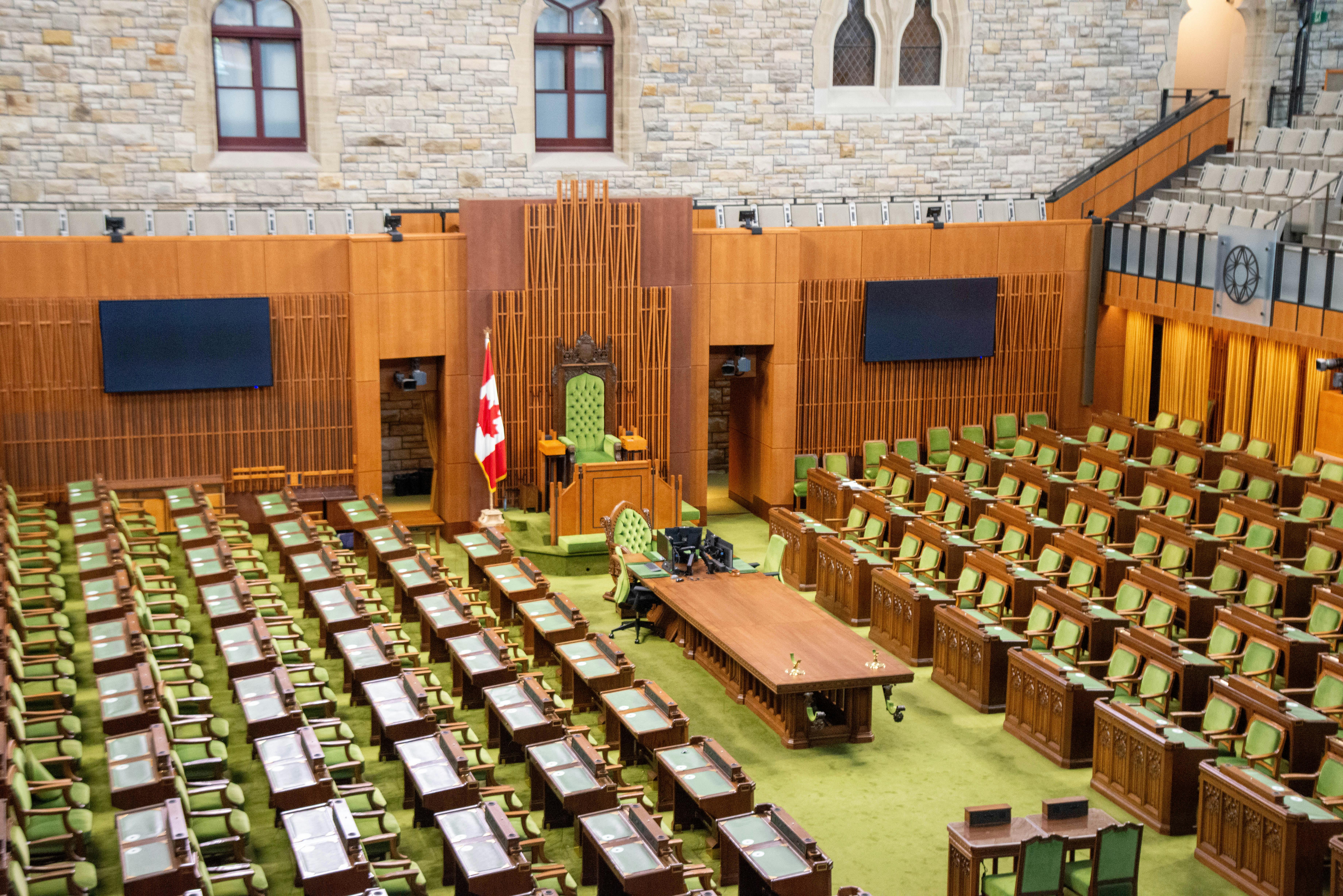
Florida’s 2026 legislative session ended Friday with lawmakers packing their bags and leaving Tallahassee after sixty days that produced fewer bills, fewer votes, and no finalized state budget.
The numbers tell a stark story. The Legislature enrolled 237 bills this session, down sharply from 325 at the comparable point in the 2024 session. Bill texts fell to 3,071, a drop of more than 340 from two years ago. Amendments declined from 2,196 in 2024 to 1,764 this year. Legislative actions, the procedural steps that move bills through committees and floor debates, dropped more than 10 percent, falling from nearly 17,000 in 2024 to just over 15,000 this cycle. The data comes from LobbyTools, which tracks legislative activity across sessions.
By almost every statistical measure, this session ran quiet.
The absence of a completed budget looms largest. House and Senate spending plans remain roughly $1.4 billion apart, and budget writers have not yet settled on topline allocations. Until they do, the conference committees that negotiate final numbers cannot begin their work. Governor Ron DeSantis and Senate President Ben Albritton have both pointed to mid-April as the window for a budget special session, scheduled after Easter and Passover holidays.
That means Florida lawmakers will return to Tallahassee before spring is out, not once but likely multiple times.
April 20 is already on the calendar. DeSantis called a separate special session for that date to address congressional redistricting, a politically charged process that carries significant implications for South Florida’s representation in Washington. The governor has also floated additional special sessions on what he calls “Medical Freedom” legislation, an “AI Bill of Rights” proposal, and a measure to place a property tax amendment before voters on the ballot.
The compressed timeline matters for understanding why the session looks so thin on paper. When budget negotiations spill into a special session, the implementing bills that typically accompany a finalized budget never get passed during the regular session. Those bills, which tend to inflate session totals, simply did not exist this year. Strip them away, and some of the statistical drop-off looks less like legislative paralysis and more like a deliberate scheduling choice.
Still, the gap is real. Fewer bills moved. Fewer votes were cast. The Legislature processed 1,926 bills and proposed committee bills this session, slightly below totals recorded in both 2024 and 2025. The decline was consistent across categories, not concentrated in any single area.
For South Florida residents, the unfinished budget carries direct consequences. State funding for schools, healthcare, affordable housing, and infrastructure projects sits in limbo until lawmakers reach an agreement. Miami-Dade and Broward counties, which depend heavily on state allocations to supplement local revenues, are watching the April timeline closely.
Immigration and public safety advocates are also monitoring what surfaces in the special sessions. DeSantis has used special sessions in the past to move politically sensitive legislation outside the normal legislative calendar, limiting public scrutiny and floor debate time. The redistricting special session alone could reshape which communities get competitive representation in Congress, a question that cuts to the heart of political power in a state that has grown and shifted considerably in recent years.
The practical reality is that Florida’s political calendar does not pause when the regular session ends. Lobbyists, advocates, and local governments must now prepare for multiple rounds of negotiations stretched across April and potentially beyond. Budget uncertainty makes long-term planning difficult for municipalities and school districts that need to finalize their own spending plans.
Tallahassee may have emptied out Friday, but the work is not finished. The governor’s office, legislative leadership, and the stakeholders who depend on state government are all living on a schedule that looks nothing like a clean sixty-day session. Florida’s 2026 lawmaking year is still very much in progress, with the most consequential decisions still ahead.